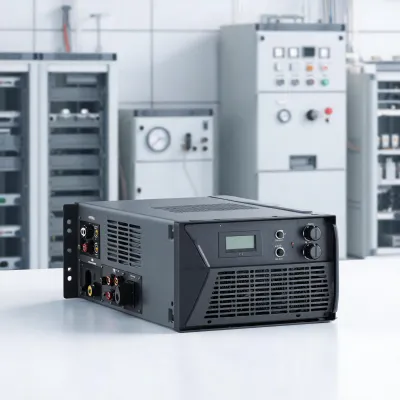
solar inverter charger
These cards are inquiry options inside the Inverter Chargers family, not warehouse SKUs. A solar inverter charger request must name how the array enters the system: an internal MPPT tracker, an external DC input sized in A, or an AC-coupled path through a separate grid-tie inverter. Combining the highest continuous watts on one card with the highest charger current on another may describe no available construction.
Inverter Chargers
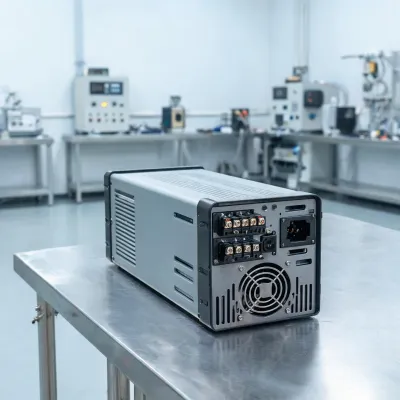
charger inverter
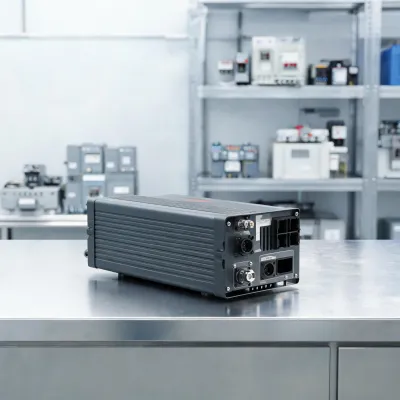
rv inverter charger
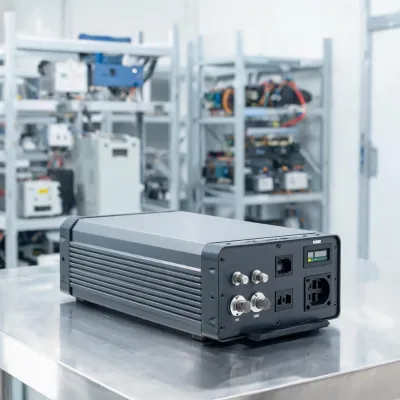
12v inverter charger
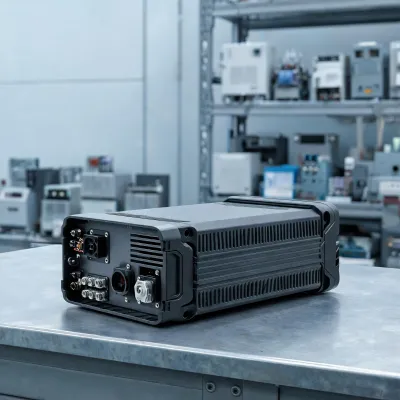
24v inverter charger
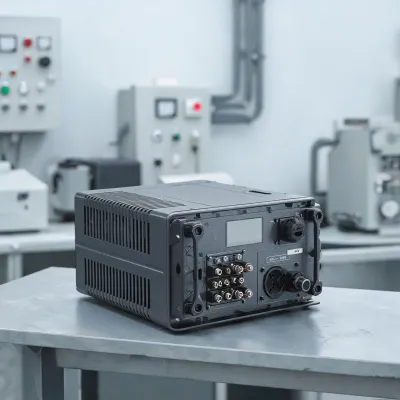
48v inverter charger
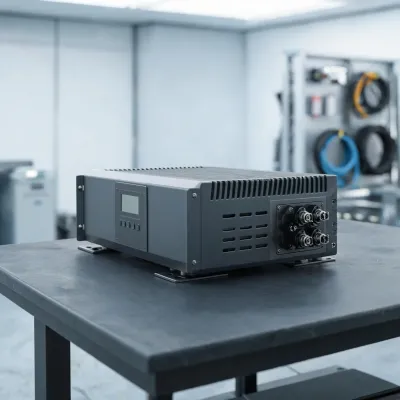
solar charger inverter
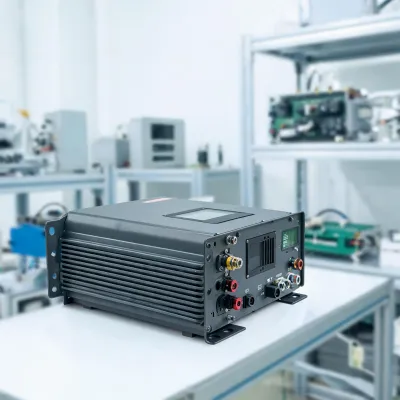
solar inverter charger
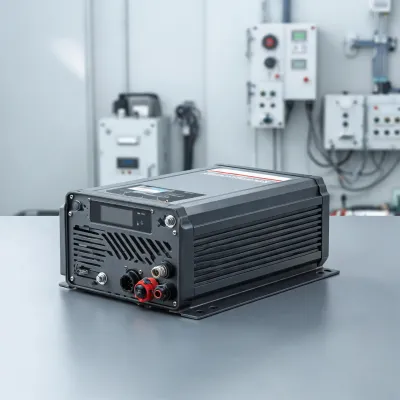
marine inverter charger
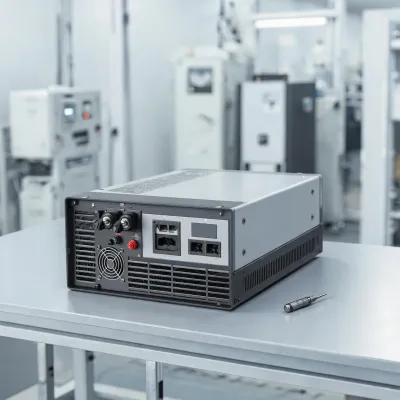
battery inverter charger
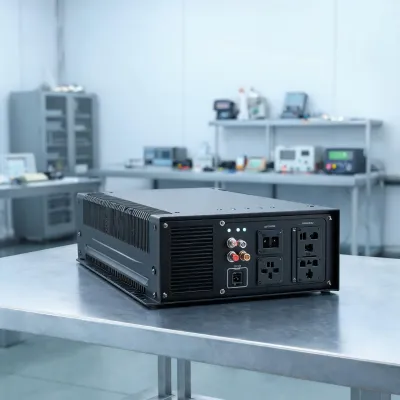
inverter charger for rv
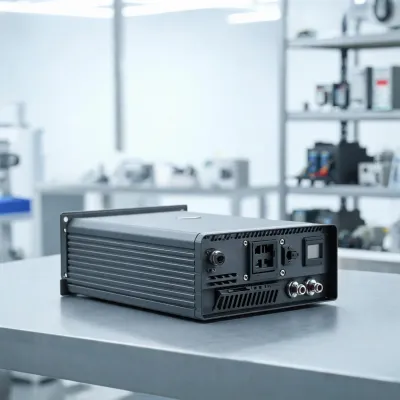
rv power inverter charger
No inquiry options match those filters. Send the requirement on the contact page.
A comparable solar inverter charger line item still has to state continuous and surge watt rating, charger current in A DC, DC bus voltage, AC output, and which accessories (transfer relay, external DC input, stacking kit, or remote) sit inside the quoted model. Listings such as UL 1741 attach to that model number.
Low-frequency and high-frequency constructions are different thermal and transformer packages. A low-frequency chassis often accepts a higher surge duration; a high-frequency chassis is usually lighter. Neither form is selected until ambient, surge seconds and mounting space are written. Stackable parallel units add a communication and sharing check that a single chassis does not have. Split-phase output is not a software toggle on a single-phase inverter charger.
If the card is used as a solar inverter charger pointer, name the array path separately from the battery charger path. An internal MPPT tracker has its own maximum photovoltaic voltage and current. An external DC input is specified in A DC and must match the separate controller. An AC-coupled path only asks the inverter charger to tolerate backfeed. Mixing those three assumptions in one comparison table produces a false price gap.
Rated voltage on the DC bus and rated current on the charger are buyer-owned numbers. Total harmonic distortion and power factor, when a factory publishes them, stay on that datasheet and that test condition. Ingress protection and NEMA enclosure type are not translations of each other. Interrupting capacity in kA belongs to a protective device, not to this family. Read how factory quotes are lined up and how an offer is read back.